
Reading at Parson Street
At Parson Street we believe that reading is an essential life skill and we are committed to enabling our children to become lifelong readers.
At the heart of our strategy is our drive to foster a love of reading, enriching children’s learning through a carefully designed teaching curriculum that exposes our children to a wide range of genres and utilises thought-provoking, high-quality texts.
Reading is a skill that enables children to develop their learning across the wider curriculum and lays the foundations for future success. We recognise the importance of taking a consistent, whole-school approach to the teaching of reading in order to embed reading skills and identify and close any gaps.
Children will learn to select texts for enjoyment and as a vehicle to drive their own knowledge and understanding. They will develop the skills to comprehend, draw inferences, analyse, evaluate and assess the reliability of different texts.
We have high expectations of all children and we encourage children to challenge themselves, persevere and pursue success.
‘Language opens doors. It unlocks the world of reading and the imagination, the excitement of writing, the capacity to explore new subjects and releases our potential to learn and grow as an individual. In schools, it underpins progress, impacts on attainment throughout primary and secondary years, affects self-esteem and behaviour and plays a huge role in a child’s future life chances. Without enough language – a word gap – a child is seriously limited in their enjoyment of school and success beyond.’
– Jane Harley (Oxford University Press)

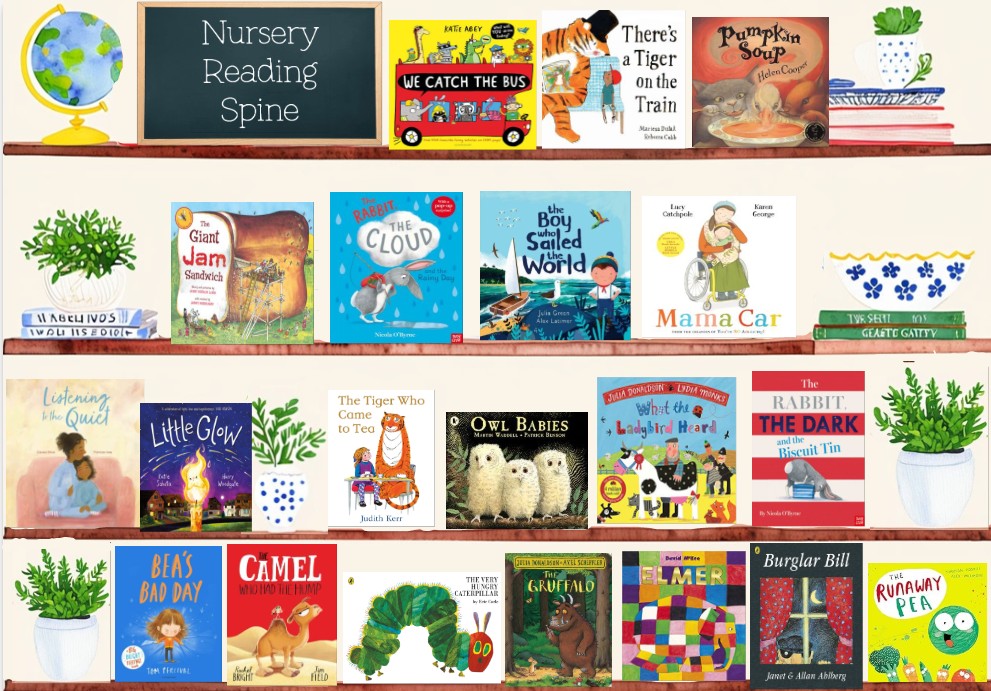
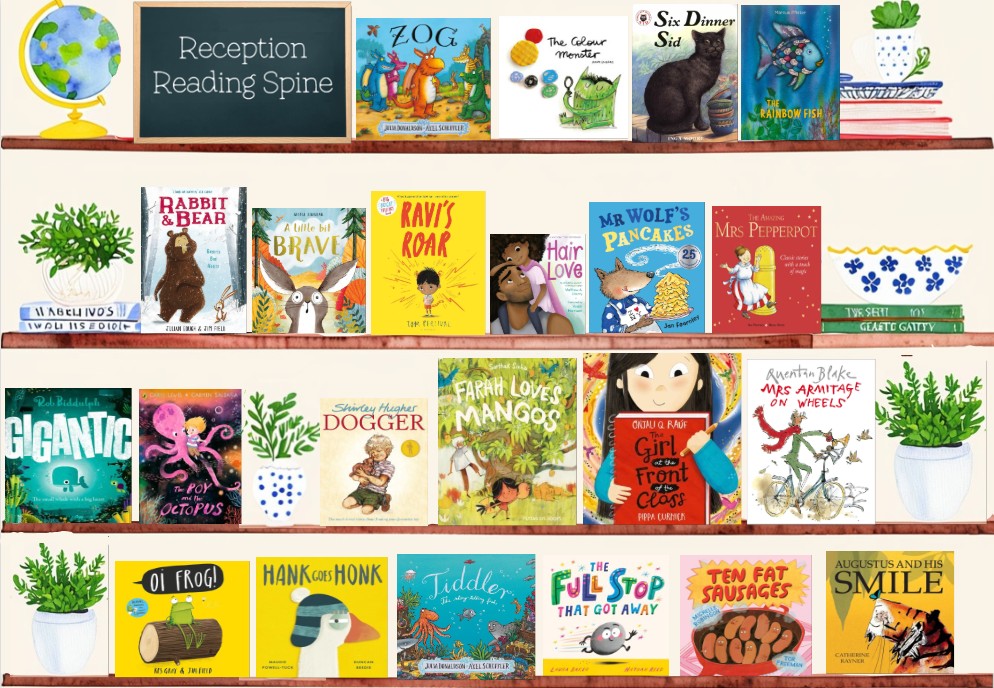
Reading Spines
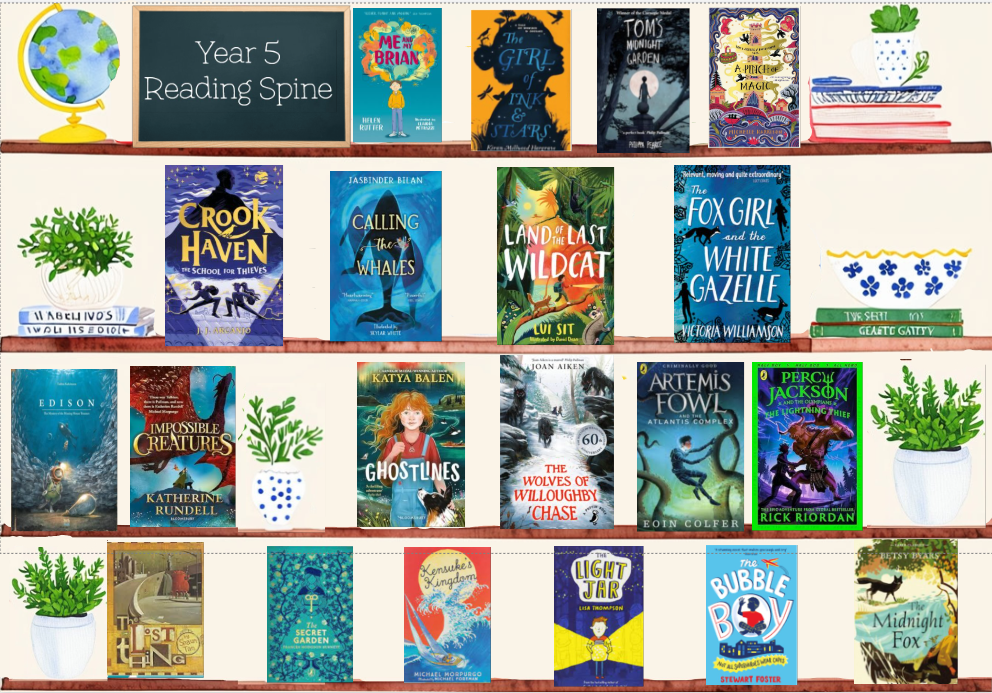
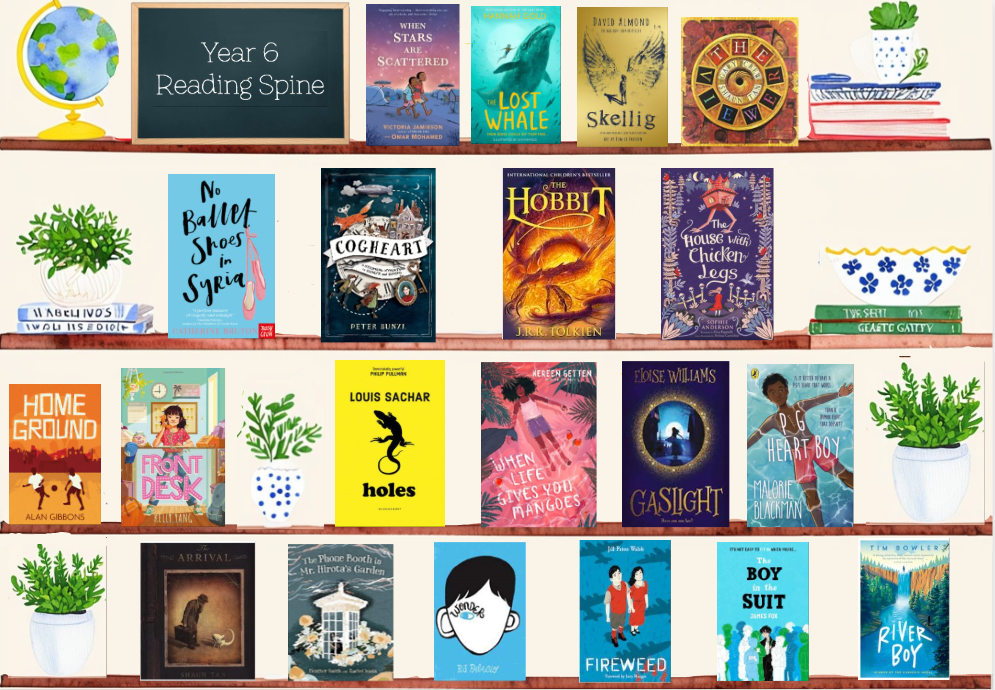
Take a look at our reading spines below!
Nursery & Reception
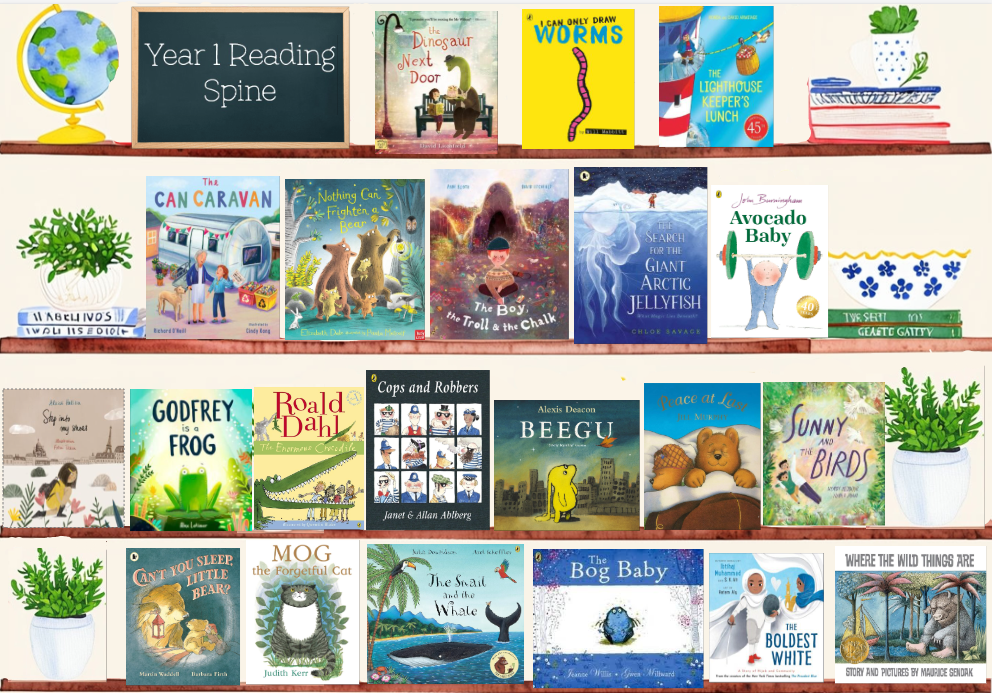
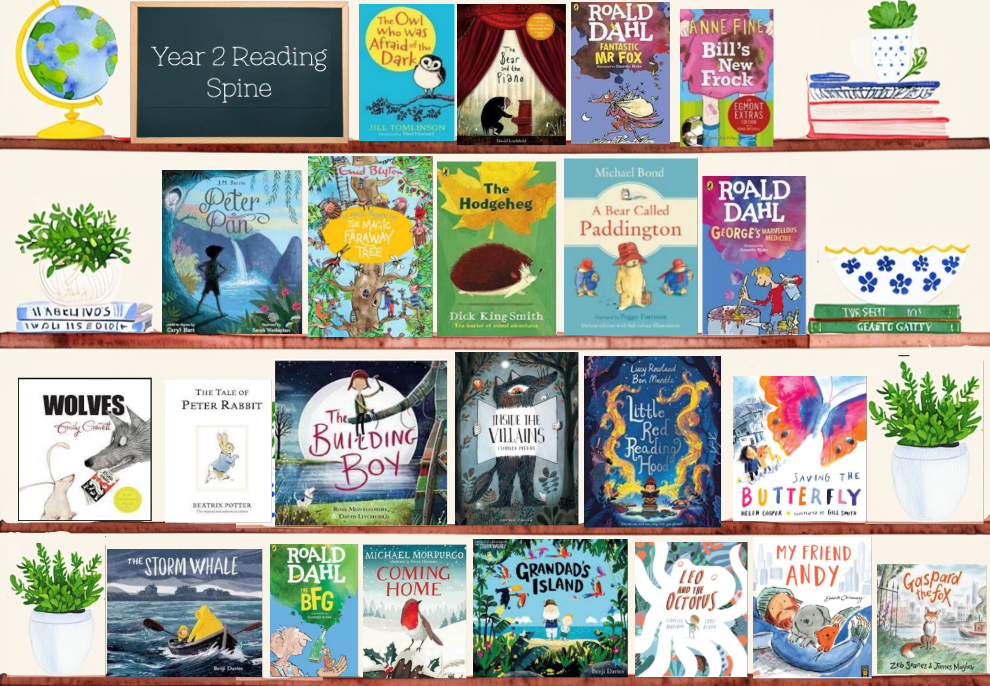
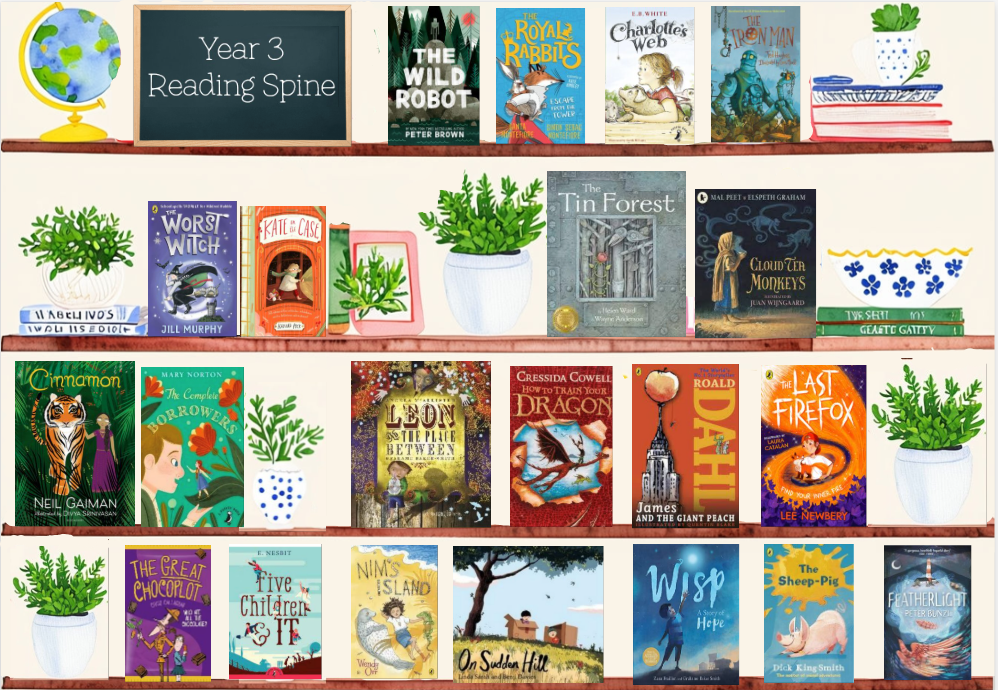
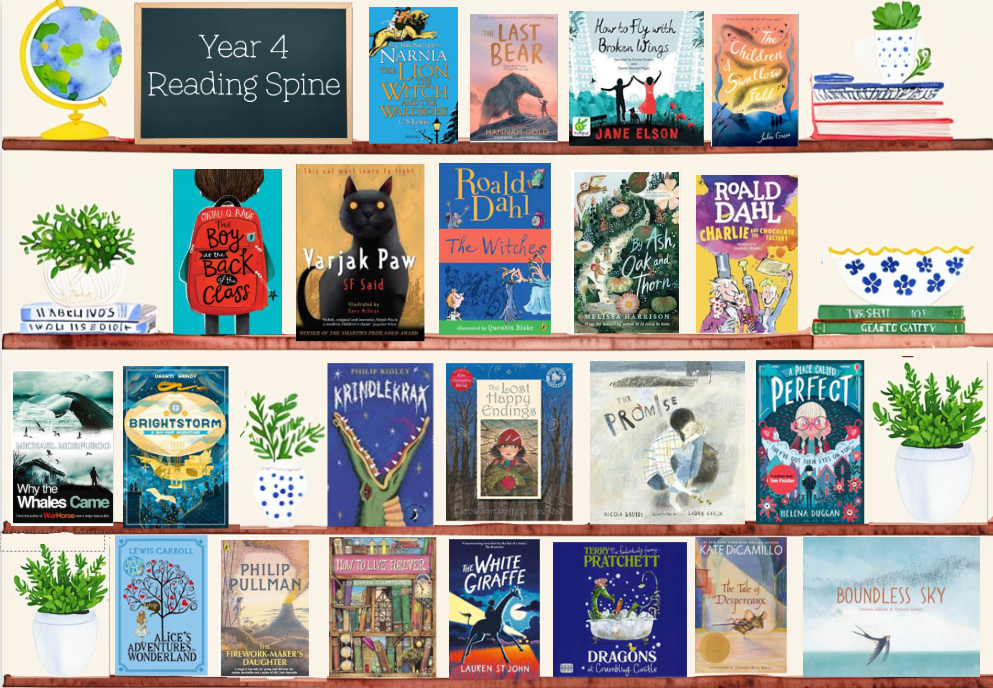
Year 5 & 6
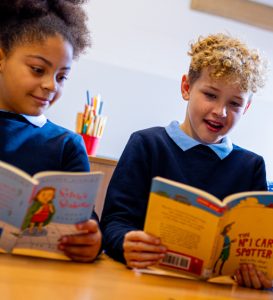
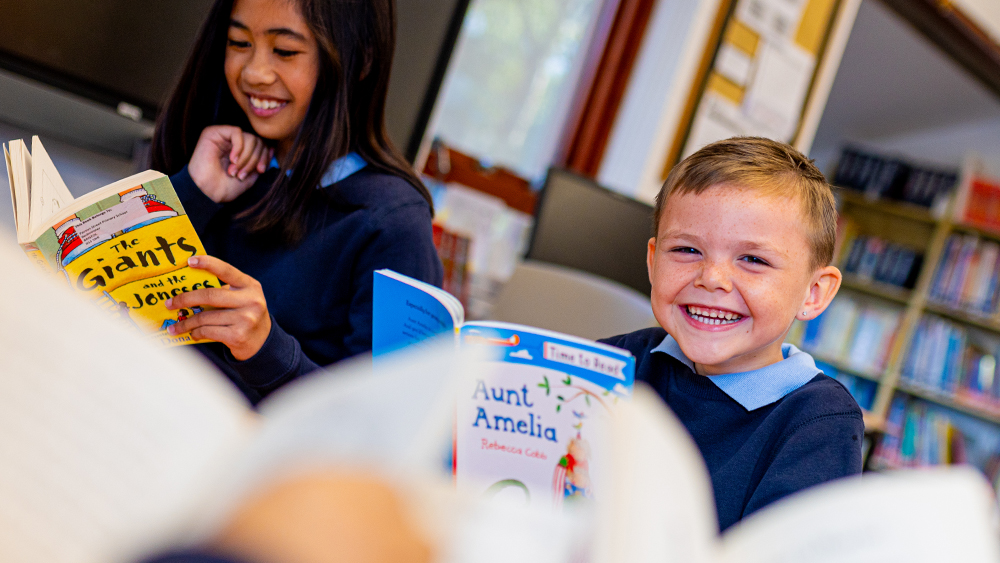
Reading for Pleasure
As a school, we know that there is no greater impact on children’s reading attainment than the enjoyment of books and reading regularly. With this in mind, reading for pleasure is a fundamental priority, with reading both valued and visible at school.
With our own well-stocked library and links with the local library in Bedminster, children have constant access to a range of high quality texts. Each class also has their own lending library from which children can donate and borrow books as they please.
To support with the enjoyment of reading, termly reading competitions encourage each child within the school to read at least four times a week. Children are able to add Grit to their class jars to demonstrate their reading practise.
Reading Comprehension
We have been on a journey with reading comprehension over the past few years. As a school, we realised that there are a number of skills that adults use automatically when reading which children do not. Traditional guided reading schemes heavily focus on inference and lack the same level of modelling and discussion used within our other subjects. With this in mind, we have created a bespoke reading programme named ‘Thinking Out Loud’. This method of teaching reading comprehension focusses on the importance of oracy and teacher modelling to better understand texts.
When reading, adults . . .
- Think actively about texts by asking questions and making predictions.
- Identify breakdowns in meaning and attempt to solve them.
- Use their background knowledge, comparing the text to what they know of the world, other texts and their own, personal experiences.
- Make links within texts, using key points and ideas to form an overall ‘gist’.
- Make inferences based on hidden clues and meanings within the text.